A Species Already in Decline
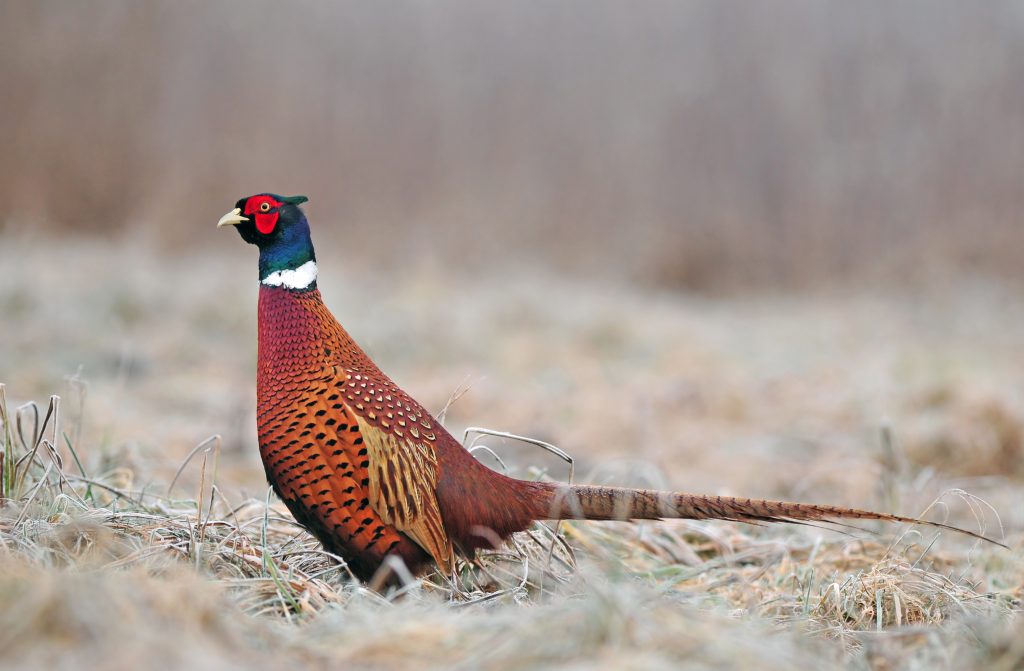
Wild pheasant populations have suffered significant declines due to habitat loss and hunting pressure (Stanton and Bills, 1996). Despite this, the New York Department of Environmental Conservation (DEC) is proposing a plan to release pheasants specifically to be hunted.
The DEC’s own executive summary acknowledges:
“Today, New York lacks adequate habitat to support self-sustaining wild pheasant populations at densities which would provide pheasant hunting or public viewing opportunities.”
Rather than focusing on habitat restoration or population recovery, the plan is only designed to create additional hunting opportunities. The summary further states:
“Future pheasant stocking will be designed to benefit new, existing, and lapsed hunters by providing managed and strategic hunting opportunities.”
In other words, the purpose of breeding and releasing these birds is not for conservation—it is to provide targets for hunters.
Taxpayer-Funded Birds Raised to Be Killed
Pheasants are bred and raised at facilities such as the Richard E. Reynolds Game Farm, which is operated by the DEC and funded by taxpayers. These birds are then released in designated areas specifically to be shot.
This program does not restore wild populations or address the habitat loss that has contributed to pheasant declines. Instead, public resources are being used to breed animals for recreational killing.
Little Chance of Survival
Captive-raised pheasants are often released on the day of, or immediately before, hunting events. Having spent their lives in captivity, they have not learned the skills necessary to survive in the wild.
Birds that are not immediately shot face numerous risks, including:
- Predation
- Disease
- Exposure to severe weather
- Starvation
- Untreated injuries
Some wounded birds may survive the initial shooting only to endure prolonged suffering before dying.
Even hunting advocates acknowledge the poor survival prospects of released birds. According to Pheasants Forever, “more than 90% of captive-raised pheasants are ultimately killed by predators, with nearly half dying within the first week after release.”
Taken together, these facts suggest that the DEC’s stocking program is inhumane and an inefficient and unethical use of public funds.
A Form of “Canned Hunting”
Releasing captive-raised birds into designated areas where waiting hunters know they will be present closely resembles what is commonly known as “canned hunting”—the practice of placing animals in confined or controlled settings to make them easier to kill.
In their Draft Strategic Plan for Pheasant Stocking to Enhance Hunter Recruitment, Retention, and Reactivation, the DEC describes this approach as:
“Scientifically sound management of wildlife species in a manner that is efficient, clearly described, consistent with law, and in harmony with public need.”
However, breeding and releasing animals solely to increase hunting opportunities is not wildlife conservation. It does not address the causes of pheasant population declines, nor does it promote ecological recovery.
Killing a species that is already struggling to maintain sustainable wild populations should not be characterized as wildlife management or conservation. This is misleading and humane-washing.
Is This Really in the Public Interest?
The DEC claims the proposal is in harmony with “public need.” Yet many New Yorkers do not support spending public resources on breeding animals to be killed.
A more responsible approach would focus on:
- Protecting and restoring habitat
- Supporting biodiversity
- Promoting non-lethal wildlife viewing opportunities
- Investing in genuine conservation efforts
Take Action
You can help stop this unnecessary and cruel program.
Submit Your Comments
Deadline: July 25, 2026
Email: Wildlife@dec.ny.gov
Subject Line: Pheasant Plan
Tell the Department of Environmental Conservation that you oppose the proposed pheasant stocking plan and urge them to prioritize habitat restoration and genuine wildlife conservation instead of breeding birds solely to be hunted.
Read the Full Proposal here;
2026 Strategic Plan for Pheasant Stocking to Enhance Hunter Recruitment, Retention, and Reactivation