
The UK Says Boiling Lobsters Alive Is No Longer Acceptable. What Happens Next? – A-Z Animals
By Sonny Haugen
Published May 9, 20263 min read
Anastasia Tveretinova/Shutterstock.com
In This Article
Quick TakeBoiling Alive Rule ChangeHumane Ways to Kill Crustaceans
Quick Take
- Science finally settled whether lobsters feel pain, and the answer changed a century-old kitchen practice. See the rule change →
- The UK isn’t a pioneer here. Several countries beat them to this ban, and their experience hints at what comes next. Countries that went first →
- Every ‘humane’ alternative to boiling crustaceans alive has its challenges, and that includes the one experts most recommend. Review the alternatives →
- The method considered most effective for humanely killing crustaceans may be out of reach for most businesses, and there is one specific reason why. See why it’s inaccessible →
As human knowledge of animal wellness grows each year, so do the standards we hold ourselves to. One such standard is how we treat animals before consumption. Lobsters and crabs have been boiled alive for centuries, a method seen as standard for cooking these creatures. However, the UK government has taken a stricter stance on the practice, as discussed in this Instagram post by @morbidtruth. Read below to learn more about the ban and the reasoning behind it.
Boiling Alive Rule Change
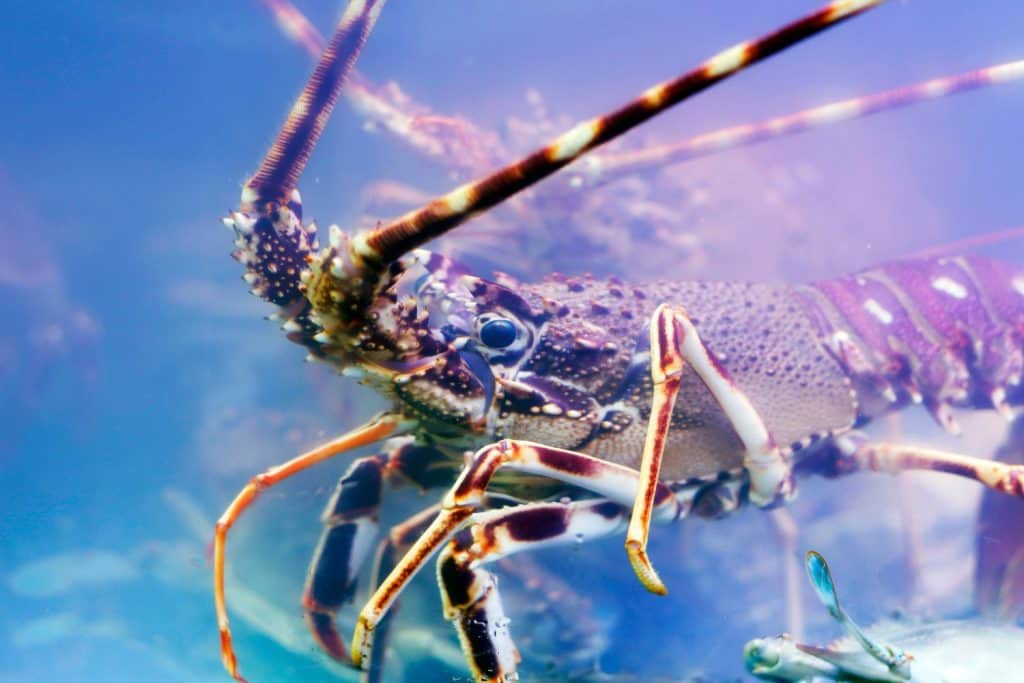
The ethics of boiling lobsters and crabs alive have been debated for years. Since the practice is centuries old and standard in the kitchen, changes in both social attitudes and policy have been slow. However, the UK seems to have taken a strict stance on humane ways to kill lobsters and crabs. The change comes from the UK government’s Department for Environment, Food, and Rural Affairs. The policy paper Animal Welfare Strategy for England lists the potential changes. Published in December 2025, the government plans to improve the standard of welfare and care for crustaceans, prioritizing the treatment of crabs and lobsters. Back in 2022, the UK’s Animal Welfare (Sentience) Act determined that lobsters and crabs are capable of experiencing pain. Through this ruling, boiling animals alive will be considered an unacceptable killing method.
England isn’t the first country to adopt this strict standard, as Norway, Switzerland, and New Zealand already ban the practice. This ban would change cooking practices to focus on the well-being of crustaceans. The London School of Economics and Political Science was commissioned by the government to research whether crustaceans can feel pain and distress. Their findings indicated that such feelings do occur through signs like avoidance of learned painful experiences, such as electrical shocks. Such data has been extremely influential on the ruling. While the policy was published in 2025, a final framework of enforcement and implementation has not been released.