
By Beth Wegerer
Published May 22, 20266 min read
Ian Peter Morton/Shutterstock.com
Otters Were Hunted to Near Extinction and Now They’re Healing Rivers – A-Z Animals
In This Article
Quick TakeOtter DiversityA Species Under ThreatOtter Restoration EffortsWhy Otters Are Important
Quick Take
- The otter’s most beloved trait nearly drove them to extinction, and it’s not the one you’d guess. See the historical threats →
- There are 13 otter species in the world, and one of them hunts prey that would terrify most animals its size. Meet all 13 species →
- A parasite from a common household pet is quietly becoming one of the deadliest threats to a wild otter population. Discover the disease threat →
- Otters tell scientists something critical about a river’s health that no water test can capture as clearly. Explore otters as indicators →
World Otter Day is May 25th, and that’s cause to celebrate!
Besides their absolute cuteness, these curious critters are also some of the most entertaining animals you’ll find in the wild. In honor of their special day, let’s get to know these playful creatures, discover the threats they face, and learn why otters are so important to waterway health.
Otter Diversity
Did you know there are 14 different species of otters? They come in all sizes and can be found on every continent except Australia and Antarctica.
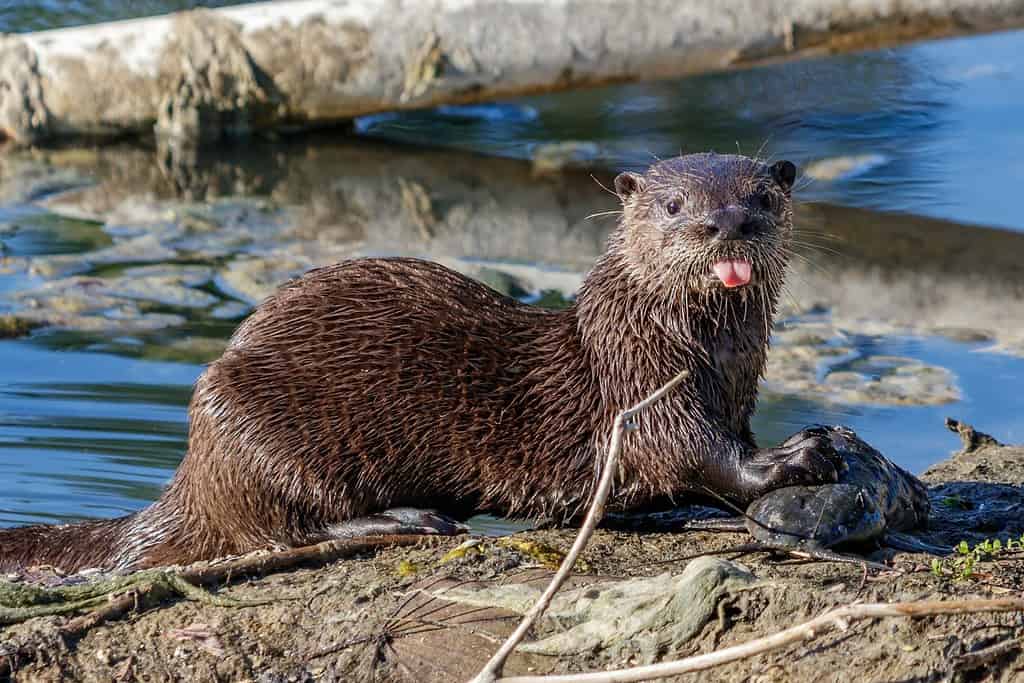
North American river otter (Lontra canadensis)
These are the most common otters you’ll see from Alaska to the Gulf Coast of the United States. They live in rivers, lakes, and coastal waterways. These otters are extremely playful and social.
Neotropical river otter (Lontra longicaudis)
Found across Mexico and Central America, ranging as far south as Argentina, these medium-sized otters are much like their North American cousins. They also live in most freshwater habitats.
Mesoamerican otter (Lontra annectens)
In 2024, the Mesoamerican otter was classified as a separate species from the neotropical river otter. The new species is found mainly in Central America, with populations extending through Venezuela and Colombia to Ecuador and Peru.
Southern river otter (Lontra provocax)
These otters love the cold rivers of the Andes Mountains and are found exclusively in Chile and Argentina. Sometimes you’ll also see them along each country’s saltwater coastlines.
Marine otter (Lontra felina)
Look along the coastlines of Peru and Chile for these small otters. While they’re part of the same genus as freshwater river otters, this species has adapted to thrive in the saltwater marine habitat.
Eurasian otter (Lutra lutra)
The most widely distributed otter in the world, these freshwater otters are found in rivers, lakes, and along coastlines from Ireland to North Africa. They are shy and prefer to be active at night, making them less observable than some other otter species.
Hairy-nosed otter (Lutra sumatrana)
One of the rarest otters in the world, this species is found only in small areas of Southeast Asia, including southern Thailand, Cambodia, southern Vietnam, Peninsular Malaysia, Sumatra, and Borneo. They are named for the patch of hair on their nose.
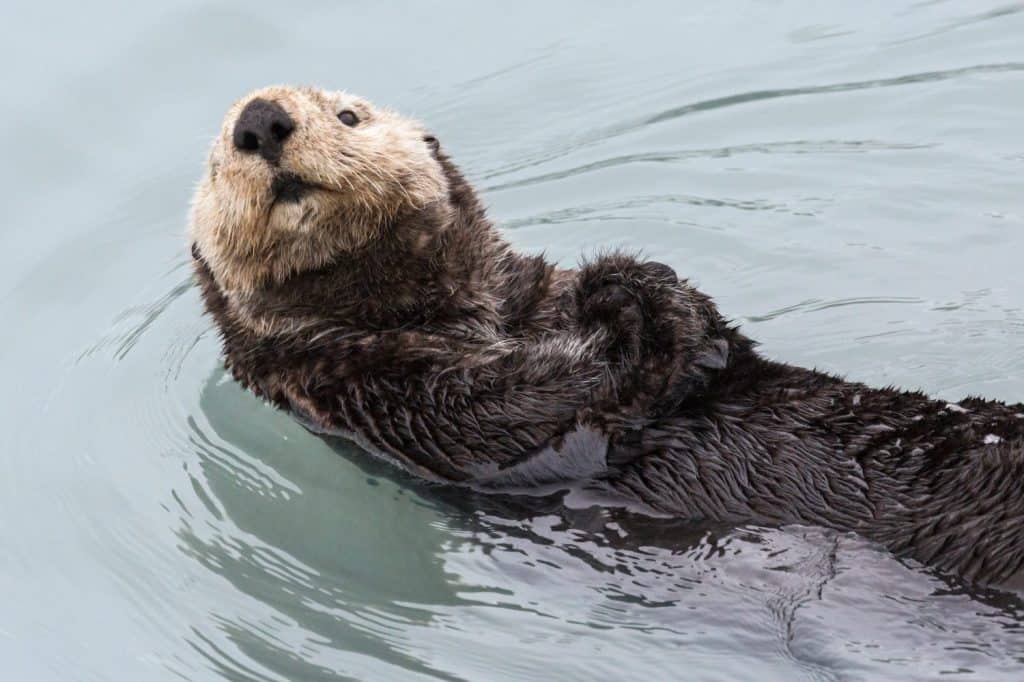
Sea otter (Enhydra lutris)
Found in the cold waters of the North Pacific, these otters have the densest fur of any mammal. They often float on their backs with a stone on their chest, which they use to crack open shellfish.
Smooth-coated otter (Lutrogale perspicillata)
The largest otter species in Southeast Asia, these otters are often seen in lowland wetlands with other family members. They are among the most social otters.
African clawless otter (Aonyx capensis)
Africa’s largest otter and one of the biggest freshwater otters in the world, it is named for the tiny or sometimes absent claws on its hind feet.
Congo clawless otter (Aonyx congicus)
A close relative of the African clawless otter, this species is found exclusively in the rainforest rivers of the Congo Basin and is smaller than its African counterpart.
Asian small-clawed otter (Aonyx cinereus)
The world’s smallest otter species, found across South and Southeast Asia, inhabits rice paddies, mangroves, and small streams.
Spotted-neck otter (Hydrictis maculicollis)
This species is found throughout much of sub-Saharan Africa, living in large lakes and rivers such as Lake Victoria and Lake Tanganyika. They are fast swimmers and very agile.
Giant otter (Pteronura brasiliensis)
The largest otter in the world, measuring up to six feet from nose to tail, is found in the major waterways of South America. They are apex predators, feeding on fish and small caimans.