Jul 17, 2026 10:46 AM
Inside the global movement to build more wildlife crossings
PT
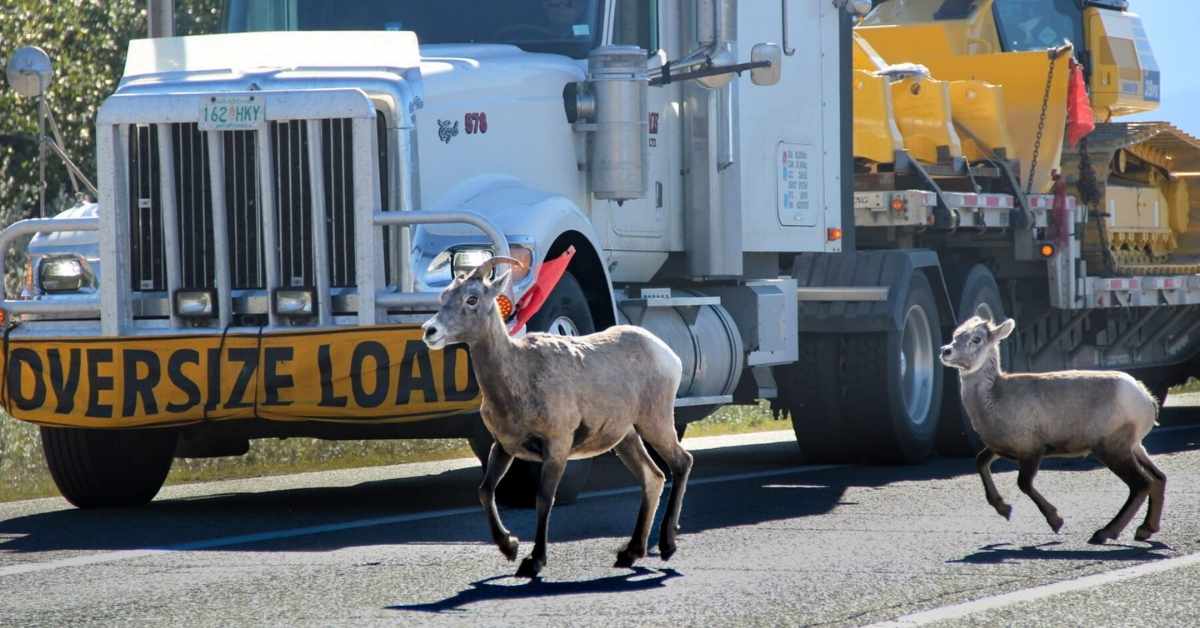
- Across the globe, roads pose a deadly physical threat to wildlife and fragment the landscapes animals need to move through to survive. For some species, a road is a wall: They won’t even attempt to cross.
- Decades of research have proved that wildlife crossings (underpasses and overpasses), combined with roadside fences, prevent deadly collisions, protecting both animals and people.
- Crossings are part of larger efforts to reconnect shattered ecological corridors worldwide. Animals need to move to find food, water, a mate — and to escape more frequent, extreme wildfires and extreme weather events.
- Some of the motivation in building and retrofitting wildlife bridges and underpasses involves public safety and economics. Crashes with large animals cost the U.S. economy more than $10 billion each year.
One of the busiest highways in the western United States is Interstate 25, a concrete artery that runs north to south across the state of Colorado, funneling roughly 100,000 cars per day through the fast-growing exurbs south of the capital, Denver.
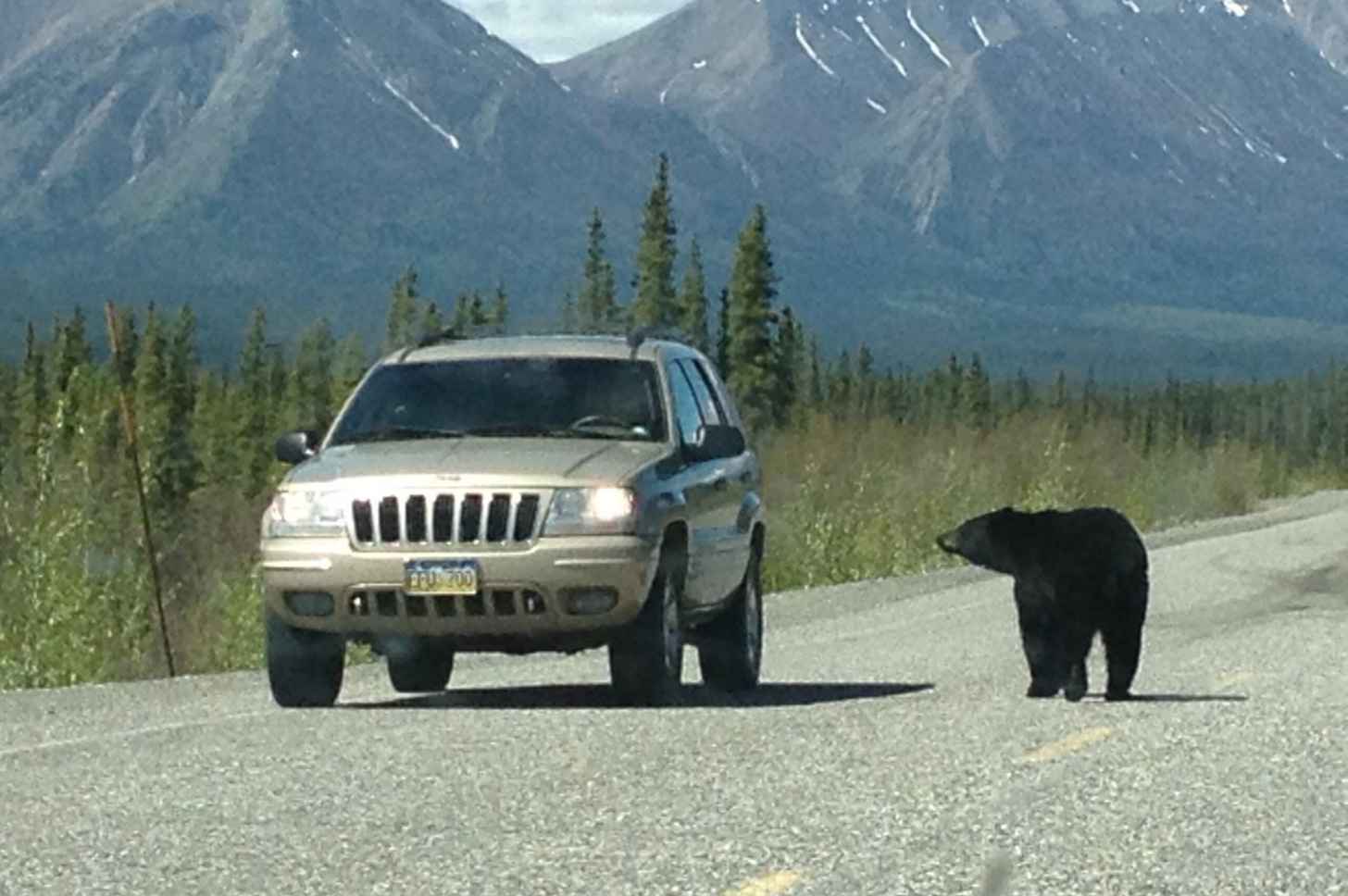
While I-25 facilitates human journeys, it disastrously truncates the movements of another set of commuters. For decades, mule deer, elk, black bears, and other species have wandered onto the highway — with fatal consequences.
Over a two-year period, from 2018 to 2020, the Colorado Department of Transportation tallied collisions with 76 deer, 15 bears, and 10 pumas along a 14-mile stretch of asphalt. Moreover, the interstate’s walls of traffic deter many animals from even attempting to cross, preventing them from roaming between alpine forests and Colorado’s eastern prairies.
Lately, however, this once-dangerous barrier has become far more accommodating to four-legged travelers. In 2021, Colorado completed the construction of five capacious, dirt-floored underpasses, flanked by more than 25 miles of roadside fencing, to allow wildlife to meander safely and freely beneath I-25.
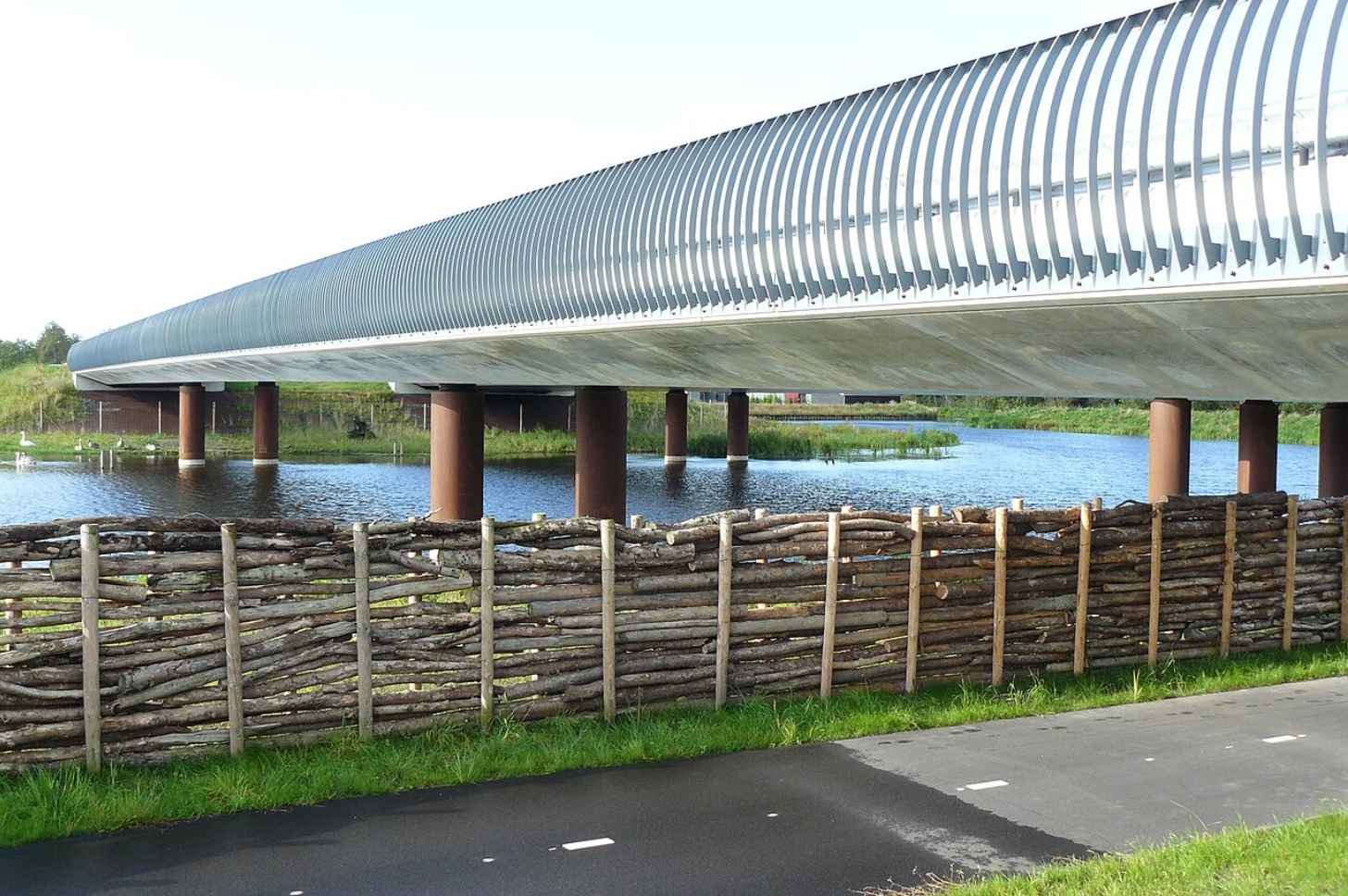
And in December 2025, CDOT finished construction of an overpass, 200 feet wide by 209 long, that arcs over six lanes of traffic near the town of Greenland. That makes it one of the largest human-made wildlife crossings on Earth. All told, CDOT says it expects its network of a half-dozen passages to reduce roadkill by 90% and reunite 40,000 acres of habitat that the interstate severed.
“We’re connecting some huge wildlife populations,” says Andy Hough, environmental resources coordinator for Douglas County, who worked with CDOT to plan the crossings.
The Greenland overpass is the apotheosis of a fast-growing movement, one that aims to make the planet’s perilous road network safer for wildlife. Species from Florida panthers to tiger salamanders to Asiatic cheetahs are existentially endangered by vehicle strikes, while impenetrable walls of traffic fragment the ranges of grizzly bears, African elephants, and many other creatures.
Decades of research have proved that wildlife crossings, in combination with roadside fences, can both protect animals from deadly collisions and reconnect shattered ecological corridors. Now, conservationists and governments around the world are planning to install them to save biodiversity from the ravages of highways.
With sufficient investment, “we could solve this problem in a generation,” says Renee Callahan, executive director of ARC Solutions, a group that studies and advocates for wildlife crossings.
The question is whether we will.
The evolution of safe passage
The concept of wildlife crossings is three-quarters of a century old. The structures originated in France, which built green bridges for deer in the 1950s, and then spread to neighbors including Germany and Switzerland, which underlaid their roads with “toad tunnels” to escort migrating amphibians beneath traffic.
In densely developed countries such as the Netherlands, governments came to view crossings as vital to unifying patchworks of fragmented habitat for species such as badgers, hedgehogs, red deer, and wild boar.
“If we are going to have viable wildlife populations, we must provide for connectivity across transportation infrastructure,” says Marcel Huijser, a Dutch-born road ecologist with the Western Transportation Institute at Montana State University in the U.S., who describes the Netherlands as “one of the real leaders” in contemporary wildlife crossing construction.

Crossings found their way to the U.S. in the late 1960s, as immense interstate highways knifed through western forests and sagebrush steppe, severing natural pathways trod for centuries by migratory herds of mule deer, elk, and pronghorn.
In the state of Utah, engineers outfitted I-15 with a wildlife overpass, while underpasses helped deer traipse beneath I-70 in Colorado. Along I-80 in Wyoming, roadside fences guide hundreds of deer to underpasses each migration season. When the ungulates initially shied away from some especially long, dark tunnels, technicians baited the passages with vegetables and apple pulp.
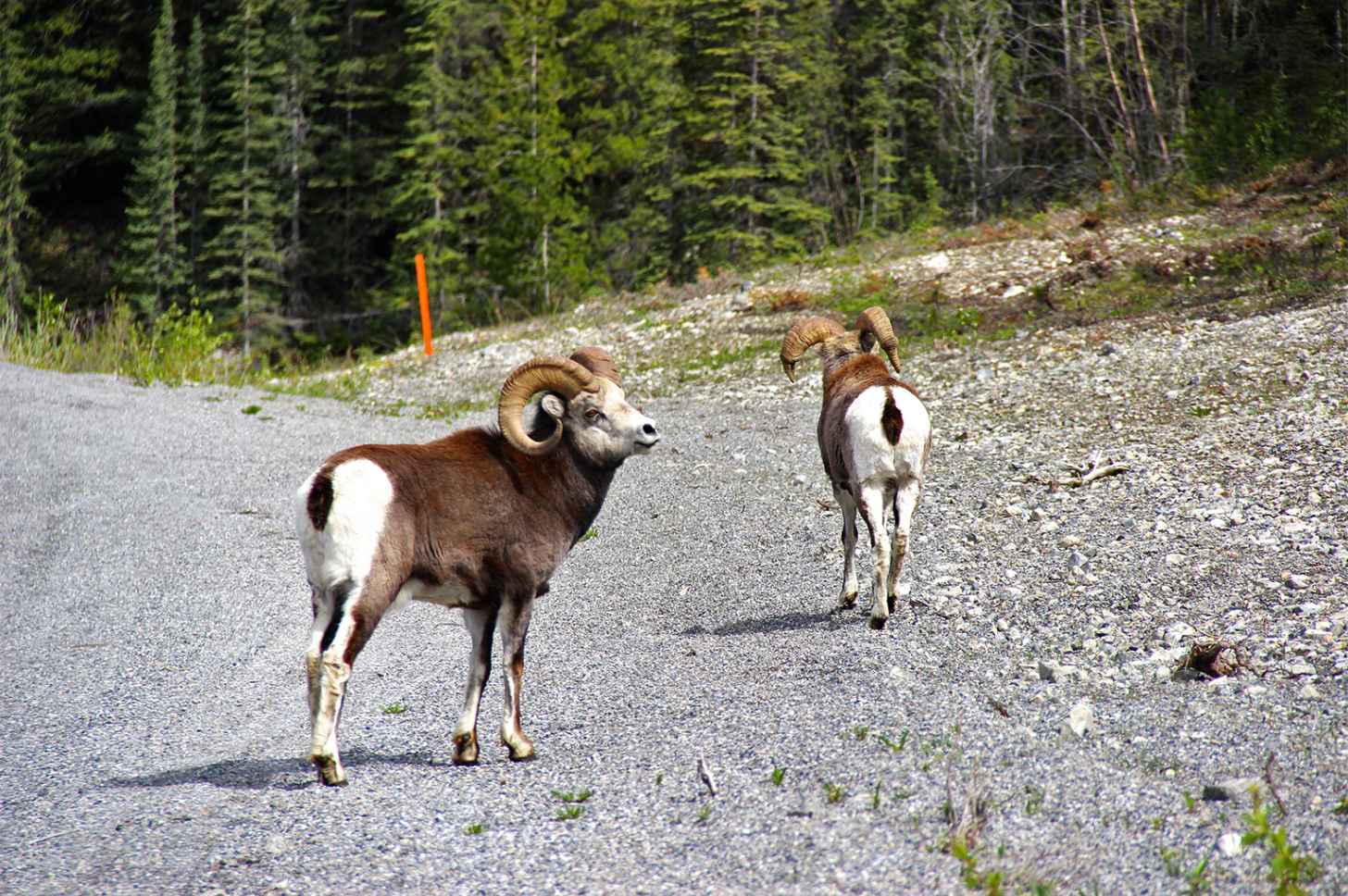
That fitful progress notwithstanding, wildlife crossings languished in the U.S. during the late 20th century, as engineers questioned whether enough animals would use them to justify their multimillion-dollar price tags.
Passages found a warmer reception across the Canadian border where, beginning in the 1980s, Parks Canada would install roughly 40 in Banff National Park, a vast protected area pierced by the TransCanada Highway. Over decades, a rotating cast of researchers, led by a road ecologist named Tony Clevenger, studied the benefits of the Banff crossings, particularly for grizzly bears — wary, road-shy beasts who took longer to warm to the passages than deer, elk, and black bears.
Among the researchers was Mike Sawaya, a biologist who spent several years in the 2000s collecting grizzly hair and analyzing the DNA within it.
Sawaya stretched strands of barbed wire across the entrances to Banff’s underpasses and overpasses, so that any bear who squeezed past would leave a snagged tuft of fur. Combined with samples collected from surrounding areas within the park, this genetic evidence helped him and Clevenger figure out not only how many bears were using the passages, but precisely which ones.
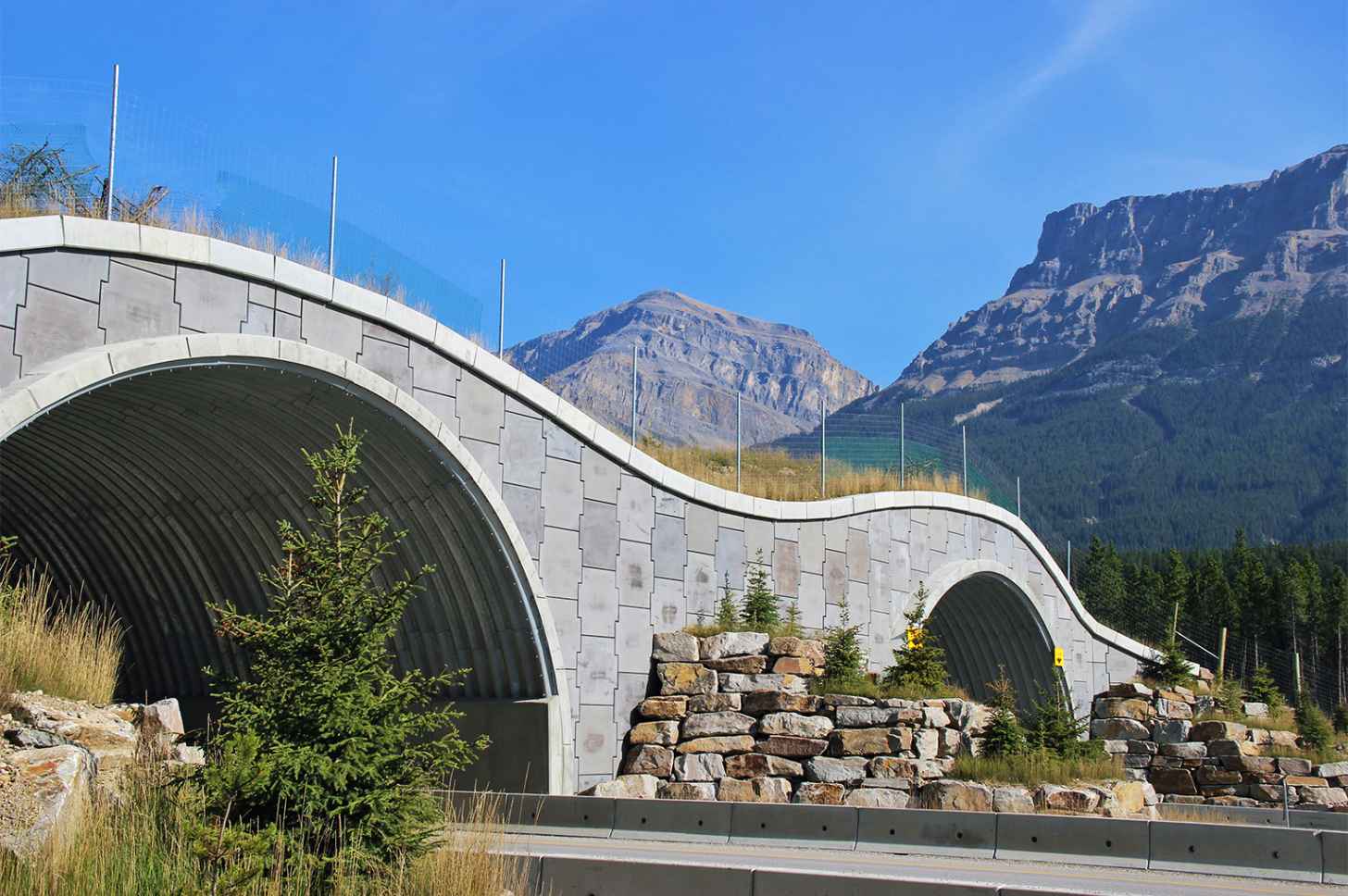
Eight males and seven females crossed the highway during Sawaya’s three-year study, more than a quarter of whom produced cubs. The offspring of some crossers also crossed repeatedly themselves, a suggestion that mothers were teaching their cubs to use the passages.
Although scientists had previously expressed skepticism that crossings could heal the genetic wounds that highways inflicted upon wildlife, Sawaya’s research dispelled those doubts.
“At this point, there’s really no more question that these things can help populations,” Sawaya says.
Meanwhile, other researchers were demonstrating that crossings aided not only wildlife, but drivers, too. Collisions with white-tailed deer kill about 440 motorists each year across the U.S., and large animal crashes as a whole cost the national economy more than $10 billion annually in vehicle repairs, medical bills, and other expenses.
By averting dangerous, expensive crashes, wildlife crossings and roadside fences often recoup their own construction costs. In the state of Virginia, where deer collisions inflict $500 million in damages each year, the transportation department strung fences alongside a preexisting box culvert and a bridge beneath I-64, guiding wildlife toward passages originally built for the movement of livestock and water.
The project reduced collisions by more than 90%, quadrupled deer crossings through the passages, and paid for itself in less than two years.
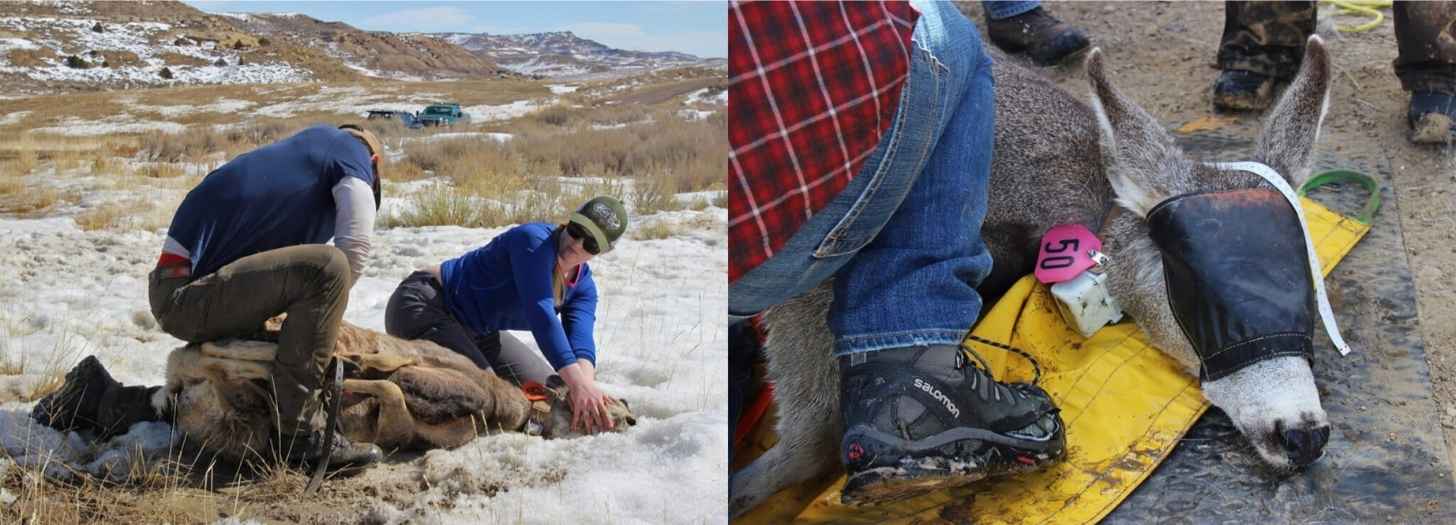
“Now that we know that there are ways to make a huge impact, there’s more openness to looking into this type of mitigation,” says Bridget Donaldson, a research scientist at the Virginia Department of Transportation.
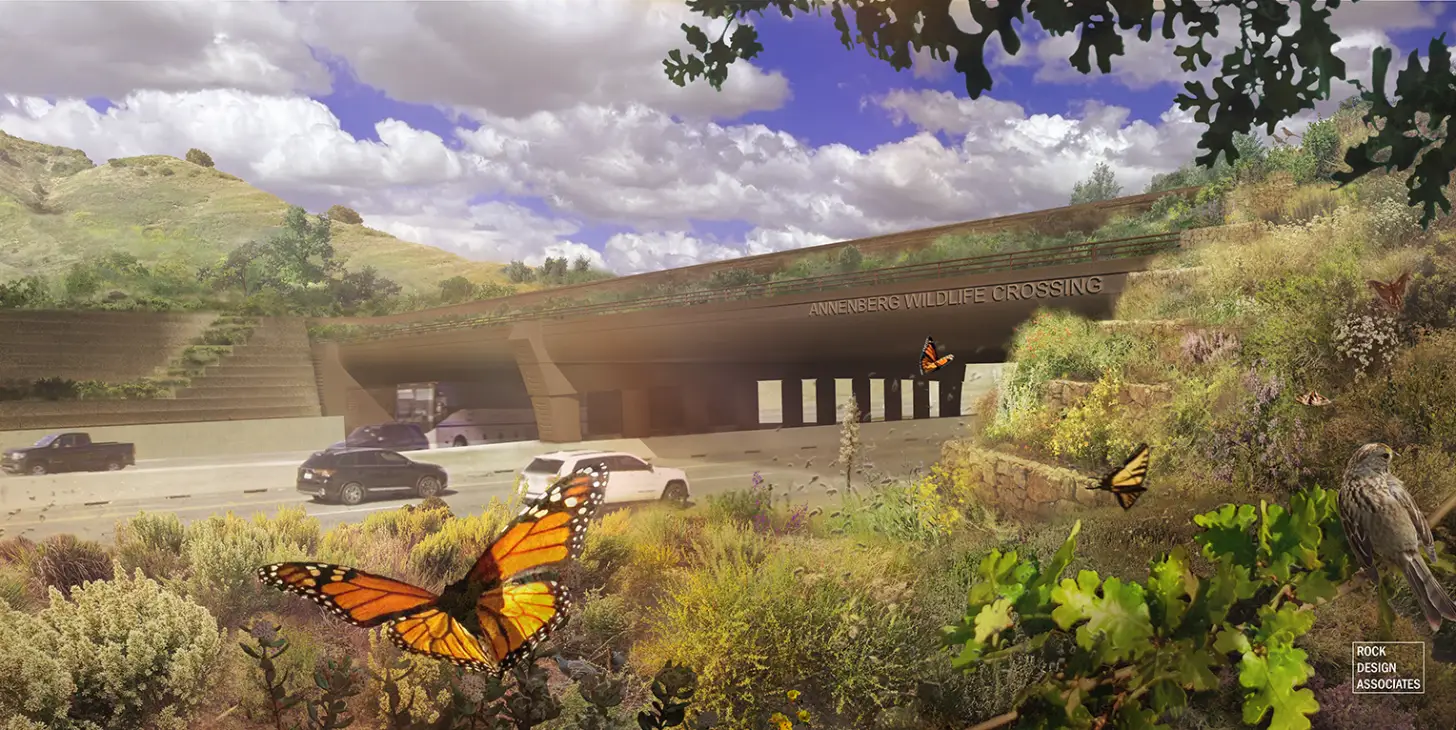
As crossings have proliferated, their designs have become more thoughtful, a trend that will reach its apogee atop California’s Wallis Annenberg Wildlife Crossing. The 200-ft bridge, opening to four-legged travelers on Dec. 2 this year, will allow mountain lions and other animals to traverse the 10-lane U.S. 101 Freeway and an adjacent city road.
The 101 ferries more than 300,000 cars per day, forcing the overpass’s architects, Rock Design Associates, to be unusually thoughtful about incorporating features like artful berms and vegetated sound walls to block traffic noise and headlights that might otherwise repel approaching animals.
The overpass and its surroundings are being surfaced with thousands of native plants, grown in a nearby nursery, to entice not only mountain lions, but also wrentits, monarch butterflies, western fence lizards, and a host of other, smaller species.
Those details have meant a more expensive crossing — the project will ultimately cost around $114 million, a third of it raised from private donors — but ideally a more effective and multi-species one.
“As we get into the next iteration of crossings, I do hope we can start thinking of these more as habitat to get everything across” — not just the large mammals, says Beth Pratt, president and CEO of the Wildlife Crossing Fund and the overpass’s primary advocate. “And that requires being thoughtful about what we’re planting on top.”
Croatia’s unheralded crossings
While North America is among the epicenters of global wildlife crossing construction, the movement is a global one — and many of the world’s most successful, if little-heralded, passages lie elsewhere.
Consider Croatia, where civil war and malaise long delayed the construction of new highways. Not until the late 1990s did the country begin planning a route from Zagreb, its capital, to the coastal city of Rijeka, through a crenellated mountain range that’s home to wolves, lynxes, and brown bears.
The proposed highway came to the attention of a wildlife biologist named Josip Kusak when, to his dismay, he discovered survey stakes in a remote valley where he was studying wolves. Although Kusak knew the highway was impossible to prevent, he nevertheless asked a government engineer in Zagreb whether he might contribute a few wildlife-friendly design recommendations, to which the official assented.
“Engineers like to build; it is in their nature,” Kusak says. “If you give them a reason to build more, they are happy.”
Kusak gave them plenty to build. He proposed overpasses between valley walls, underpasses near stream crossings, and viaducts where the highway spanned deep ravines. The planners adopted nearly all of his ideas.
When he inspected a half-built overpass and deemed it unnaturally featureless, the builders added truckloads of rocks. When he suggested sprucing it up with vegetation, they planted trees.
In a 2009 study, Kusak reported that deer, bears, wild boars, wolves, and other species used the overpass an average of 15 times per day. Altogether, roughly a quarter of the new road’s length was crossable for wildlife, making it among the most permeable highways on Earth — more than even the TransCanada Highway in Banff, if much less celebrated.
 The best email in your inbox
Join 51,000+ readers who wake up to our free good news emails every daySend me good news!
We use your personal data for interest-based advertising, as outlined in our Privacy Notice.
“We were lucky in Croatia that highway development was lagging behind compared to the rest of Europe,” Kusak says. When the road was built, he adds, “we had information, knowledge, and credibility to ask for crossing structures.”
My Latest Videos
A growing global movement
Croatia’s experience illustrates an important point. Major highways in Western Europe and North America were built decades ago, when biologists and engineers understood little about how severely traffic harmed wildlife. By contrast, countries constructing new highways today can draw upon years of road ecology research — and design better infrastructure from the get-go.
More: Inside the global movement to build more wildlife crossings