There is so much happening today in the world of wildlife and environmental protection that it can be difficult to keep up. Habitat loss continues to accelerate. Public lands face increasing pressure from private interests. Trapping and hunting opportunities are being expanded in many states, while protections for predators and other wildlife are weakened or removed altogether.
Amid all of this, one fact is often overlooked: wildlife matters. Healthy ecosystems depend on complex relationships between species, and wild animals are individuals that have intrinsic value beyond their connection to humans.
Yet at the same time that wildlife faces growing threats, hunting organizations continue to portray the slaughter of wildlife as conservation, management, and even an expression of respect for nature. This narrative has become so widespread that many people accept it without question.
The truth is that modern hunting is sustained not by necessity, conservation, or compassion, but by a culture that normalizes violence toward wildlife and by an ongoing lobby campaign that disguises cruelty behind the language of management, ethics, and conservation.
The mask comes off.
Occasionally, the public catches a glimpse of hunting culture without the carefully crafted messaging.
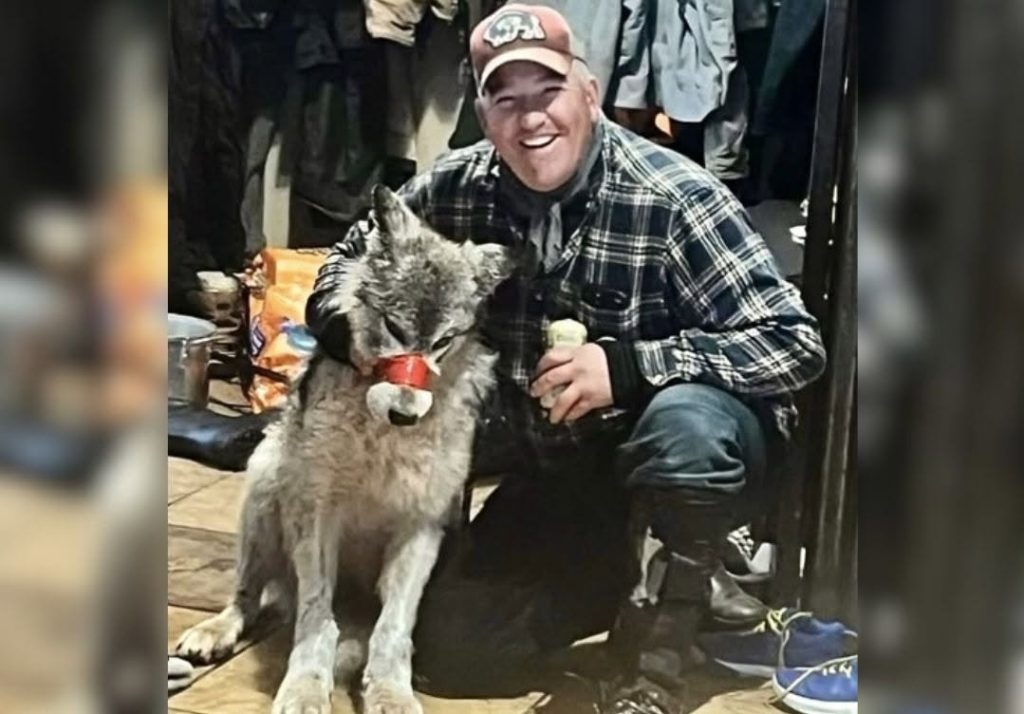
One of the most notorious examples involved Wyoming hunter Cody Roberts, who ran over a young wolf with a snowmobile, severely injured the animal, taped its mouth shut, and brought it into a bar where it was displayed and tormented before being killed. The incident sparked widespread outrage because it exposed a level of cruelty that many people, world-wide, found impossible to justify.
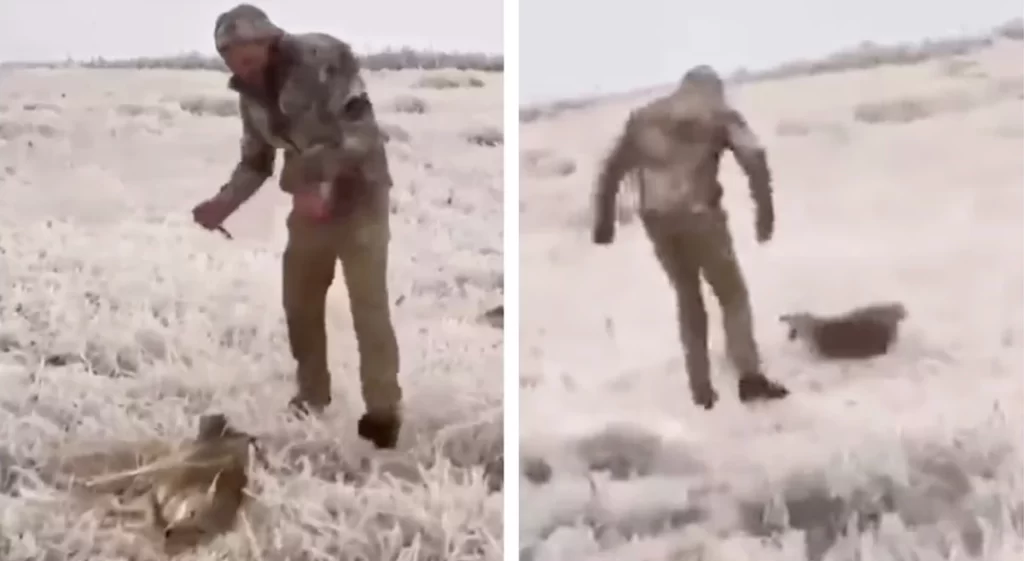
More recently, video circulated online showing hunting personality Aron Snyder shooting a coyote and then taunting, stabbing, dragging, and mocking the wounded animal while it was still alive.
Hunters still defended these actions, describing these incidents as isolated acts committed by bad individuals. But the public reaction raises a legitimate question: if hunting is fundamentally rooted in respect for wildlife, why do such displays of cruelty continue to emerge?
The problem is not simply the actions of a few individuals. These incidents reveal attitudes that can be found throughout hunting culture—attitudes that treat animals not as living beings capable of suffering, but as targets, trophies, or objects of entertainment. Any online hunting page will show photos and videos of the cruelty and suffering of a shot or trapped animal and hunters celebrating next to a dead or dying animal.
The Many Forms of Hunting Cruelty
The reality of hunting is often far removed from the image presented in advertisements, television programs, and industry messaging.
Animals shot with bullets or arrows do not always die instantly. Many suffer prolonged injuries and attempt to escape before eventually succumbing to blood loss, infection, or shock. Some are never found at all.
Trapped animals may spend hours or days struggling against steel-jawed devices, suffering broken bones, torn ligaments, damaged teeth, and extreme stress. Non-target animals—including pets and protected wildlife—are frequently caught as well.
Predators are often subjected to particularly brutal treatment. Wolves, coyotes, foxes, bobcats, mountain lions, and bears may be trapped, pursued by packs of dogs, chased with snowmobiles, or killed in contests where prizes are awarded for the highest body count. There are few laws that protect predators.
When adult animals are killed, dependent young may be left to starve, freeze, or fall victim to predators. The suffering extends beyond the individual animal that is targeted.
These realities are rarely highlighted by hunting organizations because they conflict with the image they want to portray, that hunting is humane, ethical and necessary.
The Humane Washing of Hunting
Just as corporations engage in greenwashing to make environmentally harmful activities appear sustainable, the hunting industry relies on what can be described as humane washing: the use of carefully chosen language to make killing appear compassionate, necessary, or beneficial.
Animals are not killed; they are “harvested.”
Predators are not exterminated; they are “managed.”
Recreational killing is not a pastime; it is “conservation.”
The language is important because it reframes violence as stewardship.
Hunting organizations frequently claim that hunters are conservationists. Yet many of the same groups support predator reduction programs, expanded hunting seasons, trophy hunting opportunities, and policies that prioritize the interests of hunters over the interests of wildlife and the general public.
The concept of “ethical hunting” presents a similar contradiction. The outcome for the animal remains the same: the loss of its life.
Likewise, appeals to “population control” often ignore alternatives such as habitat protection, coexistence strategies and the role of natural balance and ecological processes.
The goal of the hunting lobby and defenders is not simply to defend hunting, but to redefine it in language that obscures the terrible consequences.
Wildlife Does Not Need More Killing
For generations, the public has been told that hunting is necessary, ethical, humane, and essential for conservation. They claim to respect nature and love animals.
No one needs that kind of love.
These claims have become deeply embedded in wildlife policy and public discourse.
Increasing numbers of people are questioning those claims as they see videos of animals being shot and struggling to survive, photographs of smiling hunters posing beside dying or dead animals.
They see predators targeted for elimination despite their crucial ecological roles.
They see wildlife agencies too often prioritizing the demands of hunting interests over the protection of wildlife itself.
And they see a growing gap between the image of hunting presented to the public and the reality experienced by animals.
A Different Future
The outrage generated by incidents such as those involving Cody Roberts and Aron Snyder offers reason for hope.
Public attitudes toward wildlife are changing. More people recognize that wild animals are not targets, trophies, or resources to be exploited. They are sentient beings with their own lives, relationships, and place in the natural world.
The future of wildlife conservation should be built on coexistence, habitat protection, scientific stewardship, and respect for life—not on the continued normalization of killing.
The more people look beyond the rhetoric and examine the reality of hunting, the more difficult it becomes to accept the claim that cruelty is conservation, or that killing is respect. We are better than that.
And wildlife deserves better.